
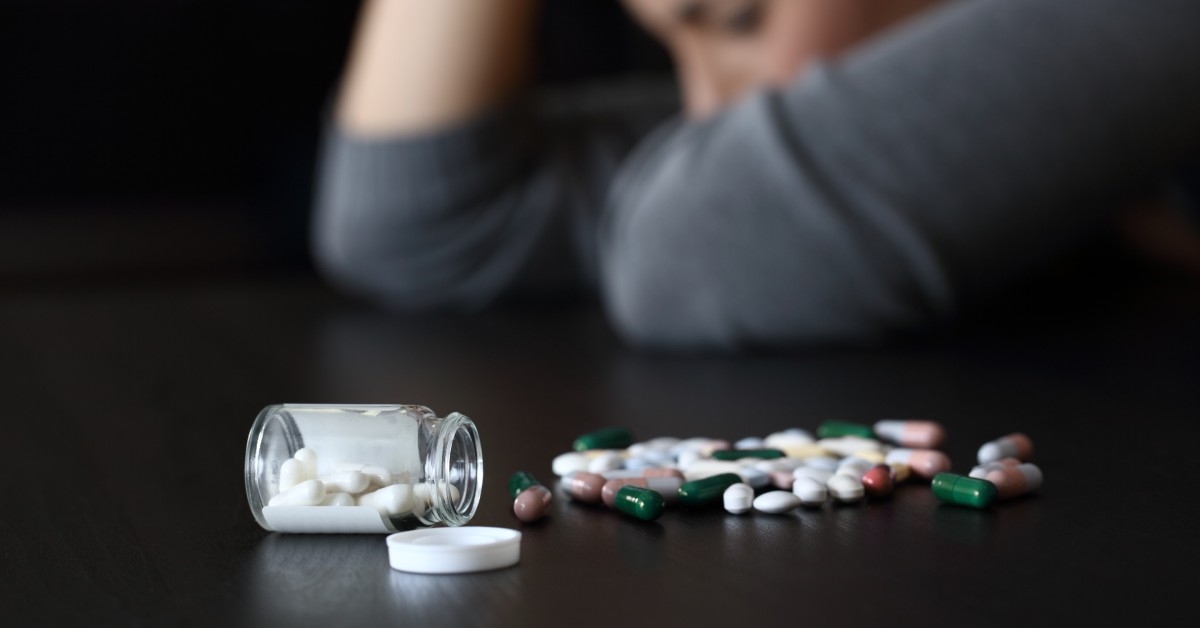
Recovery from substance use disorder is rarely straightforward. It involves steady progress, setbacks, and powerful learning experiences. When a person slips up and uses a substance after abstaining, it’s easy to feel discouraged. In these moments, it’s critical to understand there’s a real difference between a lapse and a relapse. The key difference is that a lapse is temporary, but a relapse involves a sustained return to old habits. Recognizing this distinction helps individuals and their support systems respond appropriately and constructively.
Defining a Drug Lapse
A lapse refers to a single episode of substance use after a commitment to sobriety. This slip is usually brief, does not escalate immediately, and is often met with regret by the individual involved. After a lapse, many people recommit quickly to their recovery plan, seeking to learn from the experience.
You can understand a lapse as a signal to pause and reflect, not a reason to believe in failure. These moments are valuable for uncovering triggers, reviewing coping tools, and recommitting to long-term goals. Addressing a lapse directly can support ongoing recovery and strengthen a person’s resolve.
Understanding a Drug Relapse
A relapse means a return to a pattern of regular, compulsive substance use after a period of abstinence. In these situations, the individual may set aside their commitment to recovery and fall back into old, harmful habits. Relapses usually last longer and require a more robust response and support.
With relapse, one might notice a return of old behaviors, feelings of helplessness, and the reappearance of negative impacts in daily life. At this point, it’s crucial to revisit or revise one’s treatment plan and turn to professional resources. A relapse isn’t the end, but it requires serious attention and renewed support.

Key Differences Between Lapse and Relapse
Duration and intention set a lapse apart from a relapse. Individuals experiencing a lapse frequently want to stop again immediately, but those in relapse may have lost sight of recovery goals.
Knowing the difference between a lapse and a relapse is important for providing the right support. This clarity allows friends, family, and professionals to respond compassionately and effectively.
The Emotional and Psychological Impact
Feelings after a lapse often involve disappointment and self-reflection, which can lead to positive changes in one’s recovery. Individuals may use the insight from a lapse to refine coping skills and avoid similar triggers in the future. In this sense, lapses can serve as springboards for personal growth and renewed commitment. Relapse, however, can bring intense shame, guilt, and a sense of isolation, sometimes making it difficult to seek help or re-engage with recovery supports.
Common Triggers for a Lapse
Understanding what puts sobriety at risk is crucial for maintaining recovery. Triggers can show up as emotions, environments, social pressures, or stressful situations, making substance use feel appealing in the moment. Proactive planning to navigate these triggers strengthens the foundation for long-term wellness.
Everyone’s triggers are unique, but some are especially common among people working towards sobriety. Here are five triggers to watch for:
- High stress at work, home, or with finances.
- Reminders of past substance use by people or environments.
- Emotional distress such as loneliness, anger, or anxiety.
- Social settings where drugs or alcohol are available.
- Major life transitions, both positive and negative.
The Slippery Slope to Relapse
A lapse alone doesn’t turn into a full relapse, but if left unaddressed, it can. The concept of the “abstinence violation effect” helps explain why a slip can feel devastating. This is when guilt and shame after using cause more use, pushing a person closer to relapse. Thoughts like, “I messed up, might as well give up,” can make it harder to stop.
Self-compassion and timely action matter most at this stage. By reaching out to a sponsor, loved one, or therapist, a lapse can stay what it is—a brief mistake—rather than evolve into relapse. A quick response can make all the difference in regaining control.
7-OH and the Risk of Relapse
A lapse involving substances like 7-OH (7-hydroxy) can quickly escalate into a full relapse due to its opiate-like effects. This compound binds to opioid receptors in the brain, creating a powerful sense of relief and euphoria that can be hard to resist. For someone in recovery, even a single use of 7-OH can reignite cravings and lead to a loss of control.
Addressing a lapse involving 7-OH requires immediate action to prevent further use. Reaching out to a sponsor, therapist, or support group can provide the guidance needed to regain focus. At Fifth Avenue Psychiatry, we specialize in helping people struggling with substances, including 7-OH. We offer personalized treatment plans and expert support to regain control and build a sustainable path to recovery.

The Role of Professional Treatment
Finding professional help provides crucial support for preventing and responding to relapses. Evidence-based therapies like cognitive behavioral therapy (CBT) guide individuals through recognizing and changing unhelpful thinking patterns. If you or a loved one faces prescription drug challenges, our specialized prescription drug addiction treatment program offers focused, personalized care using proven approaches. Treatment addresses both the underlying reasons for addiction and the physical aspects of dependency.
Support from addiction experts helps build strong relapse prevention strategies. These may include routine check-ins, customized coping strategies, and access to peer and professional support. When lapses or relapses occur, returning to treatment can turn setbacks into opportunities for renewed motivation.
Creating a Relapse Prevention Plan
Having a solid plan helps reduce risk and manage potentially difficult situations before they arise. A personalized relapse prevention plan includes strategies for dealing with triggers, guidance for responding to cravings, and a built-in network of supportive people. It serves as a practical resource for staying focused and resilient during challenging moments. Typically, building this plan happens in partnership with a trained counselor or therapist.
Some important components of a prevention plan may look like this:
- List of individual triggers and the ways you’ll handle each.
- Names and phone numbers of key support contacts.
- A weekly schedule with activities that promote well-being.
- Step-by-step actions to take in the event of a craving or slip.
- Personal goals that inspire a continued sober lifestyle.
Responding to a Lapse or Relapse
When returning to substance use, the most important step is seeking support without shame or self-blame. If a lapse occurs, acknowledging it and talking to someone you trust can help protect against further use. Timely action is key to preventing a mistake from becoming a pattern.
If a relapse happens, a stronger intervention is needed. This could involve restarting treatment, exploring new strategies, or connecting with additional support groups.
Recovery from substance use is rarely linear. With the right strategies and professional support, it’s possible to overcome challenges and maintain long-term sobriety. If you or a loved one is ready to take the next step, request an appointment with Fifth Avenue Psychiatry to create a personalized path to recovery.